A successful corporate event needs to do more than bring people together in the same room. Whether it is a conference, product launch, awards evening or company celebration, the experience should reflect the organisation behind it and give guests a reason to remember the occasion. Getting that right involves much more than booking a venue and arranging refreshments.
Understanding the Purpose Behind the Event
Before any practical decisions are made, it is worth considering what the event is intended to achieve. A conference designed to share knowledge will have very different requirements from a product launch intended to generate excitement or an awards ceremony celebrating employee achievements.
Understanding the audience is equally important. An event for existing clients might benefit from a more relaxed, hospitality-led atmosphere, whereas an industry conference may need a carefully structured programme with opportunities for networking and discussion.
When the purpose is clear, decisions about the venue, entertainment, catering and overall format become considerably easier.
Creating a Programme That Holds People’s Attention
One of the biggest challenges with corporate events is maintaining momentum. Even an impressive venue can lose its appeal if guests spend too long listening to presentations or waiting between activities.
A well-planned programme balances structured sessions with opportunities for interaction. Shorter presentations, engaging speakers, demonstrations and informal networking breaks can all help maintain interest.
It is also worth thinking about how guests move through the event. Registration, refreshments, seating arrangements and transitions between sessions should feel straightforward rather than becoming sources of frustration.
Making the Surroundings Work Harder
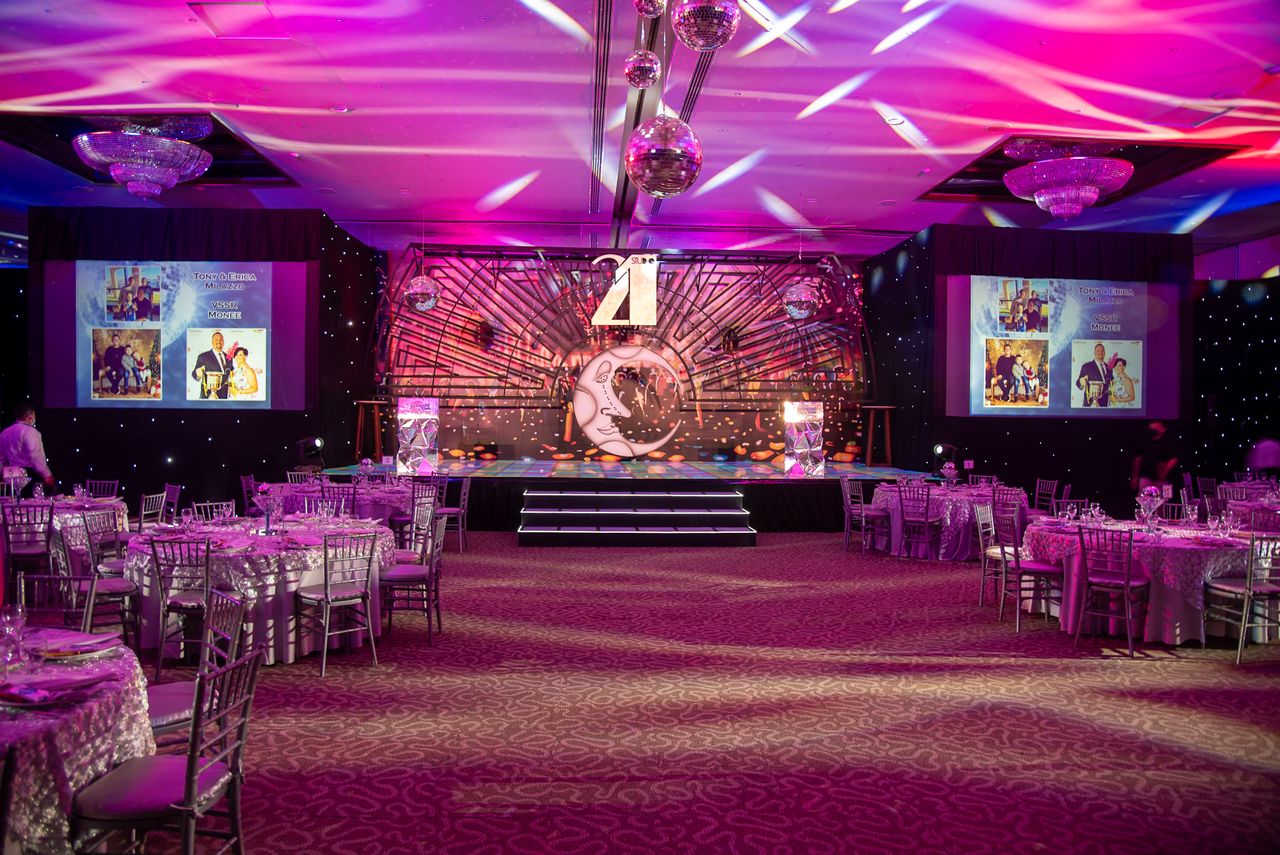
The event environment plays a significant role in shaping the guest experience. Lighting, staging, furniture, signage and visual displays can all help establish the right atmosphere while reinforcing the company’s identity.
Branding does not need to dominate every surface. Sometimes a consistent colour scheme, carefully positioned graphics and a well-designed stage create a stronger impression than an excessive amount of promotional material.
Practical considerations matter too. Guests should be able to see presentations clearly, hear speakers comfortably and find their way around without difficulty.
Preparing for the Unexpected
Even the most carefully organised event can encounter an unexpected problem. Equipment may fail, a speaker might be delayed or attendance figures may change at short notice.
Having contingency arrangements in place makes it much easier to respond without disrupting the entire occasion. Experienced event organisers consider these possibilities during the planning process, rather than waiting until something goes wrong.
Clear communication between suppliers, venue staff and organisers is particularly important on the day itself.
An Experience That Reflects the Business
Ultimately, corporate events are an opportunity to communicate something about an organisation beyond its products or services. The way guests are welcomed, the quality of the arrangements and the atmosphere throughout the occasion all contribute to the impression they take away.
When the planning is thoughtful and the individual elements work together, an event becomes more than another date in the company calendar. It becomes an experience that strengthens relationships, encourages engagement and gives people something worthwhile to talk about afterwards.
Photo by Ernesto RƎIƎZ via pexels.